

The historical erasure of women: Why Women’s History Month is necessary
by Susan Fields // March 27, 2026
The month of March is designated Women’s History Month. It is an annual acknowledgment of the untold contributions by women in all areas of society. These areas include, but are certainly not limited to, psychology, medicine, STEM (Science, Technology, Engineering, and Mathematics), the arts, and social activism.
But why would nations need to set aside a time to highlight women’s work? Would it not suffice to simply delineate a list of contributions, of women and men alike, and compile them in a database for all to peruse? The short answer is no. A slightly longer answer is that historical facts can be problematic, as they are heavily influenced by hierarchical power structures such as social institutions and governments. It’s complicated.
It is at the complicated intersection of the institutions, governments, class systems, influential financial organizations, etc. that historical context arises. This context can offer numerous and robust opportunities for one group of people, (men, for example), while simultaneously prohibiting the growth and development of another group, (women, for example).
Given the U.S.’s historical context in which women dedicated their careers, we now know that males were readily acknowledged and revered for their work and females were systematically prevented from receiving credit for their work. In some cases, women’s achievements were simply – and wrongly – assigned to male counterparts.
Listed below are 3 examples of women who were effectively erased from history, even though their contributions were crucial and groundbreaking moments in human history.
- Catharine Littlefield Greene, Inventor:
- Greene provided specific instructions on the invention of the cotton gin, which Eli Whitney then famously manufactured.
- History books have misattributed its invention to Whitney, while excluding Greene’s name from the record altogether.
- Nettie Maria Stevens, Geneticist:
- Her research at Bryn Mawr resulted in the discovery of sex chromosomes (X and Y).
- It was Stevens’ research partner, Edmund Wilson, who received credit for the discovery.
- Chien-Shiung Wu, Physicist:
- Wu was recruited to work on the Manhattan Project, specifically in the areas of uranium enrichment and the law of parity.
- Two of her male colleagues, supported by Wu’s research, went on to win the Nobel Prize in Physics (1957). Wu, however, was excluded from receiving any awards.
One can only speculate how women were impacted by these historical erasures. From a mental health perspective, a single, fundamental human need is validation. To achieve and sustain mental well-being, individuals need to be seen and heard, need to be respected, and need to feel connected to a group. Thus, when women experience systemic invisibility and ostracism over the span of a lifetime, there can certainly be resulting mental health concerns. These concerns may include chronically elevated levels of stress and anxiety, feelings of loneliness and isolation, depression, as well as the internalization of the belief that they are an inferior group and are not deserving of validation.
However, we need only to look at today’s women leaders, philanthropists, and scholars (Melinda F. Gates, Mary Robinson, Christine Lagarde, for example) to gain insight into the talents and resilience of women. They possess a resilience that continues to propel them in ever-more-successful directions. Despite slow progress and woefully stubborn disparities, we are witnessing an evolving history whose trajectory is toward greater gender parity.
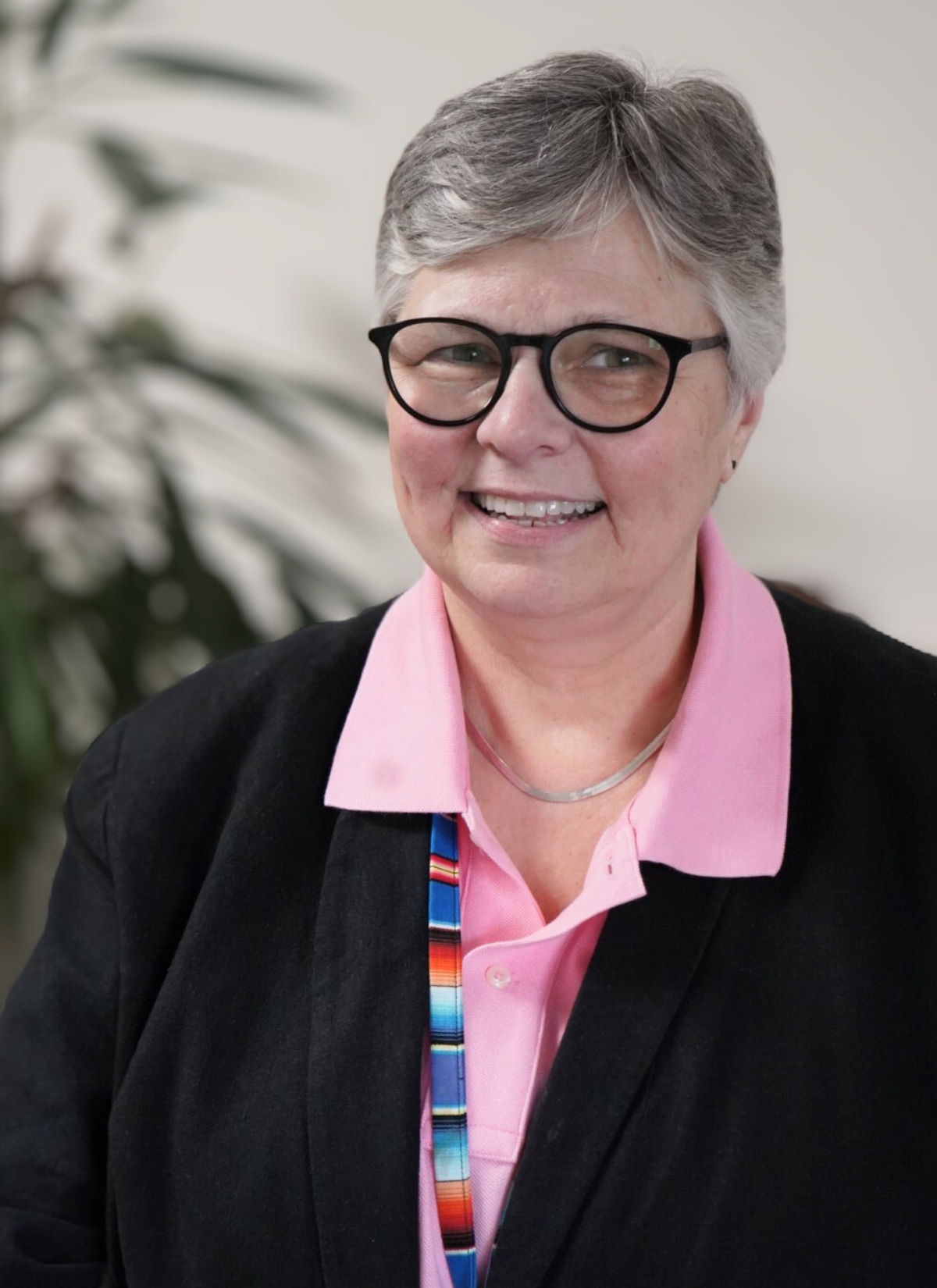
At the Brattleboro Retreat’s Anna Marsh Clinic, Susan Fields sees individual clients and facilitates therapy groups, including Women and Aging: Embracing the Changes. Susan also works in a collaboration between the Retreat and Brattleboro Memorial Hospital’s Comprehensive Care Clinic, offering care and support for people living with HIV.