

How TMS can help when antidepressants don’t
by Dr. Alfred Goldyne // March 27, 2026
Most people know depression can be treated with therapy and medication. Fewer realize that for the many patients whose depression doesn’t respond to these standard approaches, there’s an FDA-approved treatment that uses magnetic pulses to stimulate the brain directly. It’s called transcranial magnetic stimulation — TMS — a treatment that is becoming more widely used across the country, including locally by the Brattleboro Retreat.
TMS is a noninvasive treatment that uses a device placed against the scalp to deliver brief magnetic pulses to a specific region of the brain involved in mood regulation. These pulses, similar in strength to those in an MRI, pass through the skull and stimulate nerve cells that have become underactive in depression.
In clinical trials, about 50–60 percent of patients who hadn’t responded to medications showed significant improvement with TMS, and roughly one-third achieved full remission. For many people who have spent years cycling through medications with limited benefit, this can represent a meaningful shift in what recovery might look like.
The change is often gradual — better sleep, more energy, a lifting of the heaviness that makes ordinary tasks feel impossible. Patients often describe feeling more like themselves again, rather than simply experiencing fewer symptoms. Because TMS targets brain circuits directly rather than altering chemistry systemically, it produces fewer of the side effects associated with medication.
Treatment usually lasts six weeks, with daily sessions Monday through Friday. Each session is about 20 minutes long. Patients sit in a comfortable chair, fully awake, and can return to work or other activities immediately afterward. There is no anesthesia, no sedation, and no change in consciousness. Patients remain alert throughout and can drive themselves home. The most common side effect is mild scalp discomfort at the treatment site during the first few sessions, which typically fades. Headaches occur occasionally but tend to be mild and short-lived.
TMS is designed for adults with major depressive disorder who haven’t responded adequately to antidepressant medications, sometimes called treatment-resistant depression. This is more common than many assume: roughly one in three patients don’t respond well to their first medication, and many continue to struggle after trying several.
Candidates for TMS have typically tried at least one antidepressant without sufficient improvement or cannot tolerate medication side effects. The treatment is not appropriate for patients with certain metal implants near the head or a history of seizures, but for most people it’s safe and well-tolerated.
Patients interested in TMS begin with an evaluation by a psychiatrist trained in the treatment, who reviews their history and determines whether it’s a good fit. Insurance coverage has expanded significantly; most major plans now cover TMS for treatment-resistant depression.
For those who have tried multiple treatments without relief, TMS offers a new path to recovery.
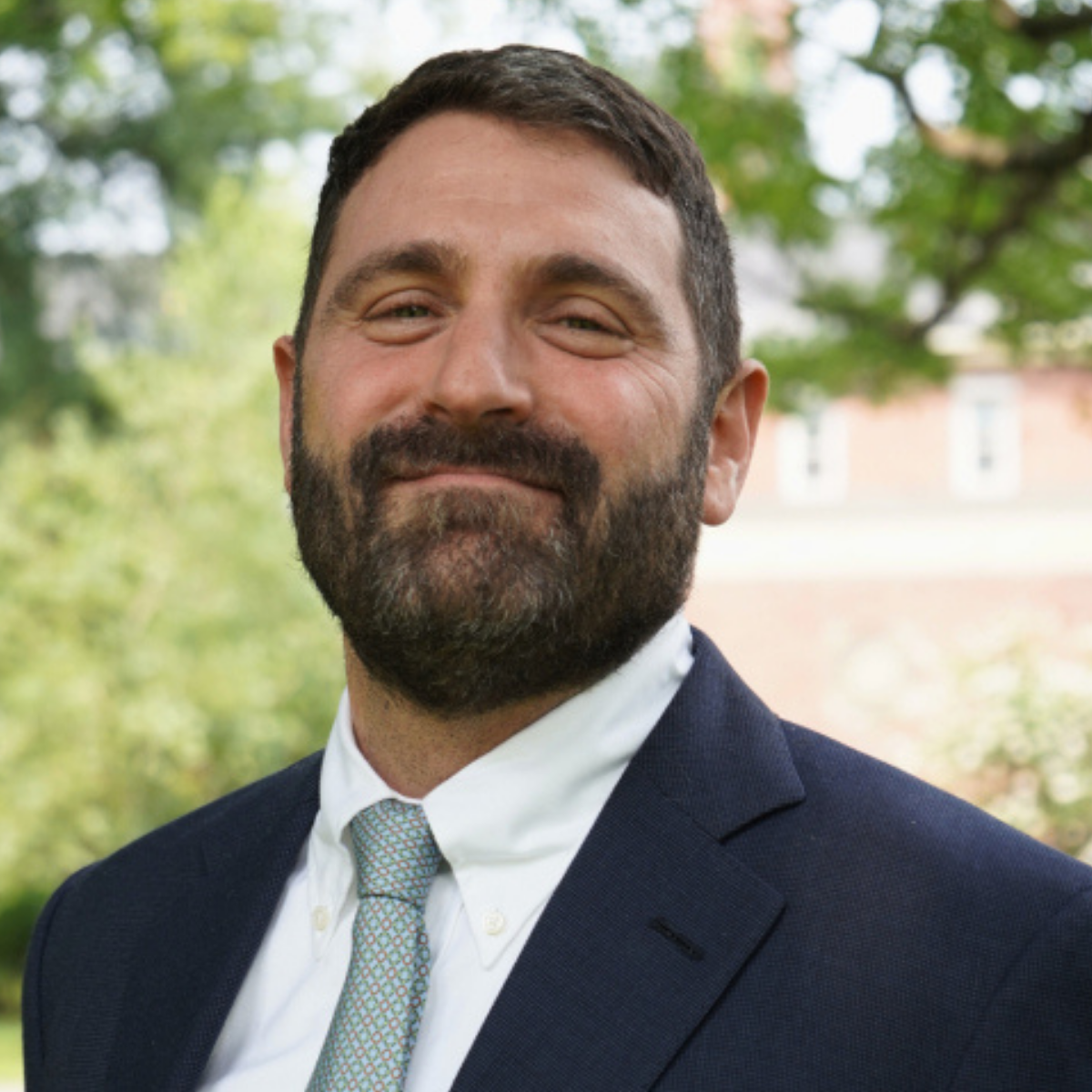
Dr. Alfred Goldyne is a board-certified psychiatrist and Diplomate of the American Board of Psychiatry and Neurology. He serves on the medical staff at the Brattleboro Retreat and specializes in the treatment of anxiety, depression, bipolar disorder, and the mental health challenges associated with aging.